
Context and needs
Organisations working with young people depend almost entirely on grants. Social entrepreneurship can give them an alternative source of income and, at the same time, a way of responding to the social problems young people face, including NEETs and young people with fewer opportunities. The project started from the need to support these organisations to find such sources.
Objectives
Developing youth workers’ entrepreneurial skills, with a focus on social entrepreneurship; encouraging the partner organisations to use social entrepreneurship as a form of contribution to the community and as a source of income; promoting social inclusion methods and the involvement of young people with fewer opportunities and NEETs; creating a framework for exchanging good practice on the quality of youth work and on fighting social exclusion.
Activities
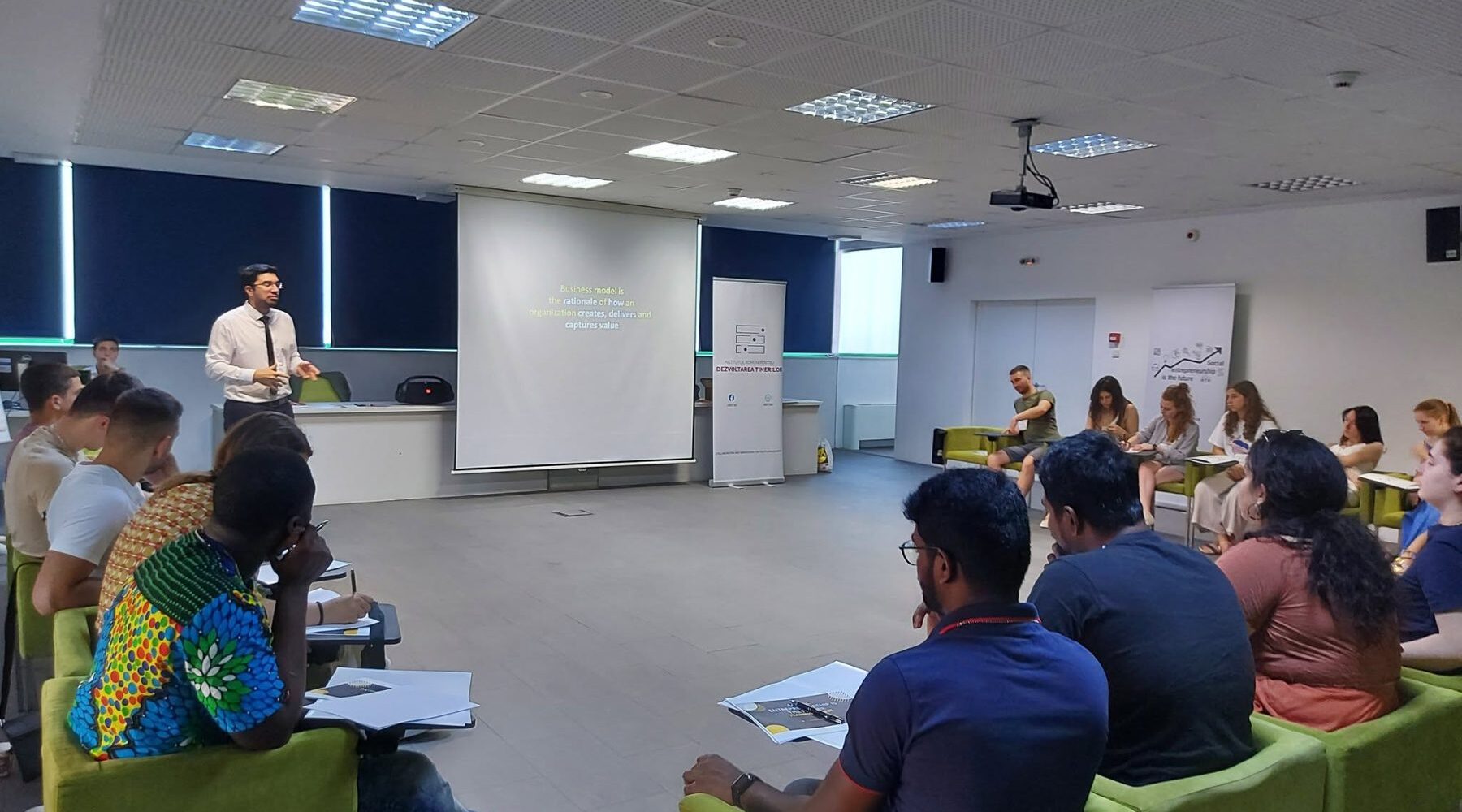
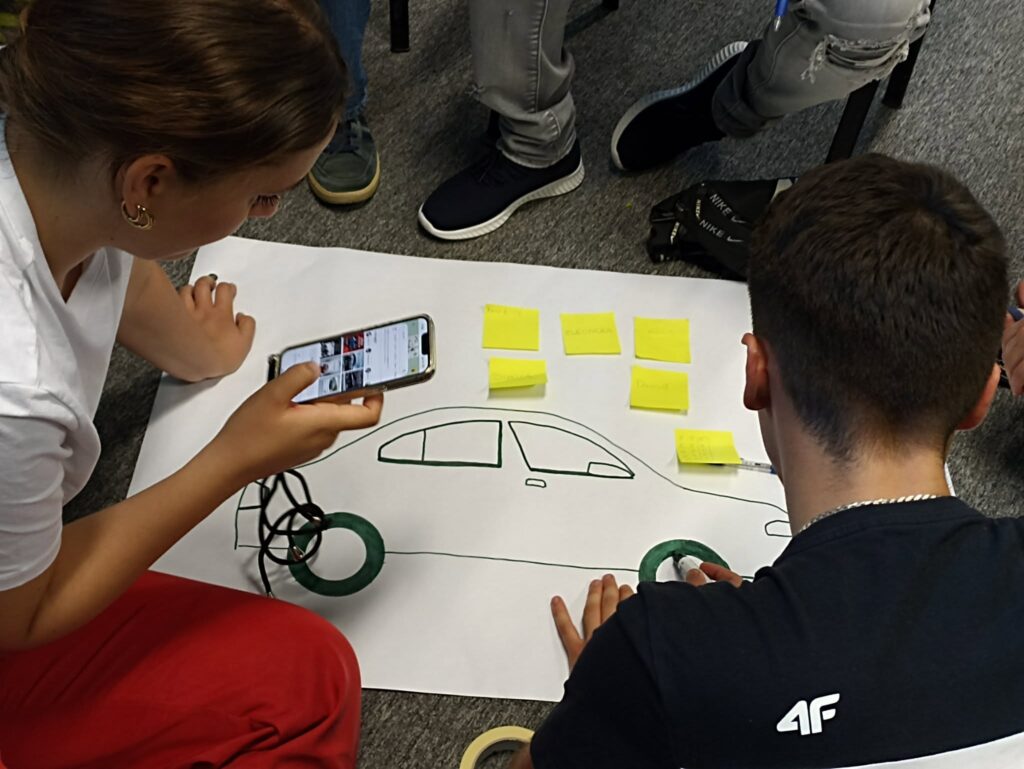
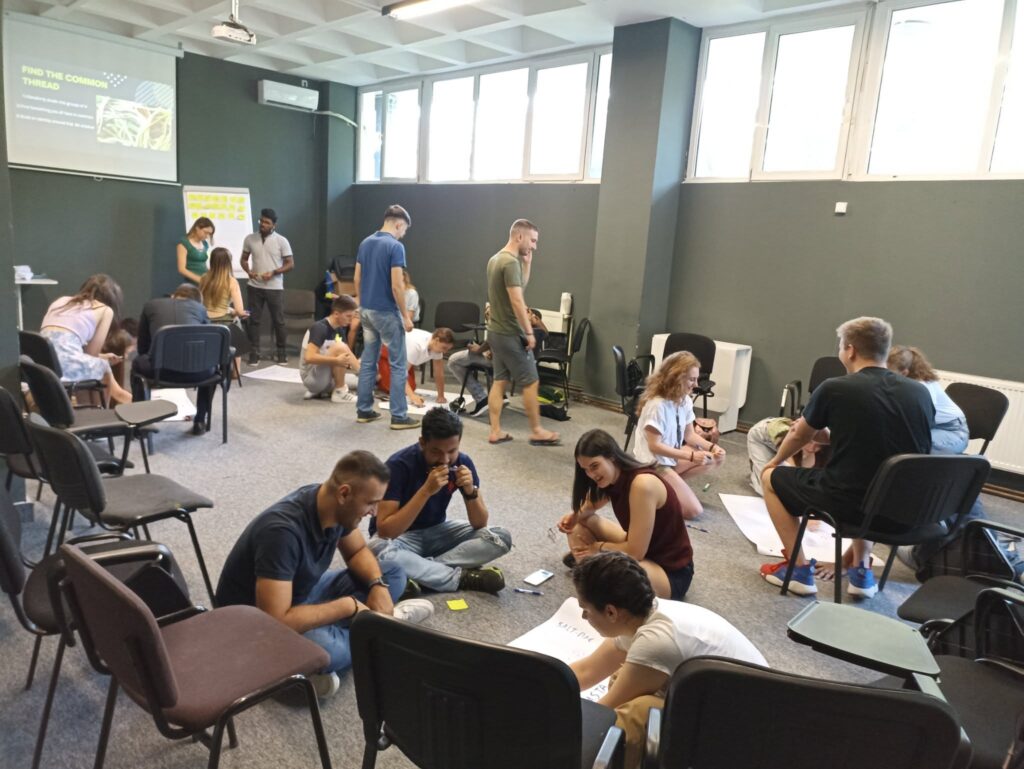
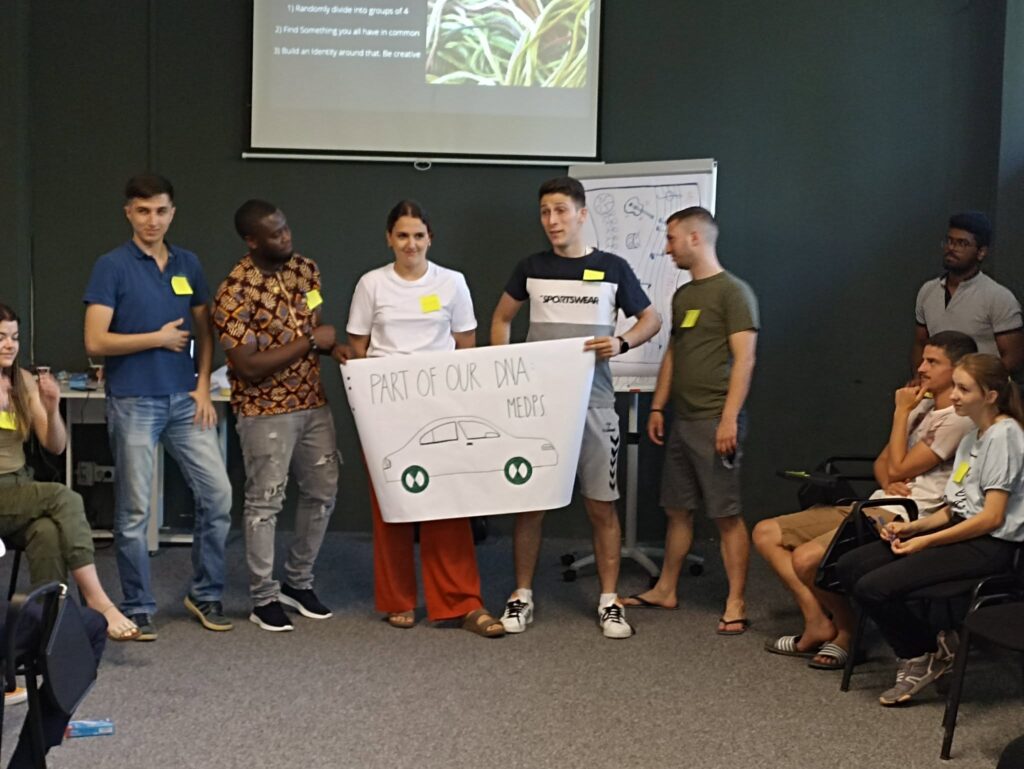
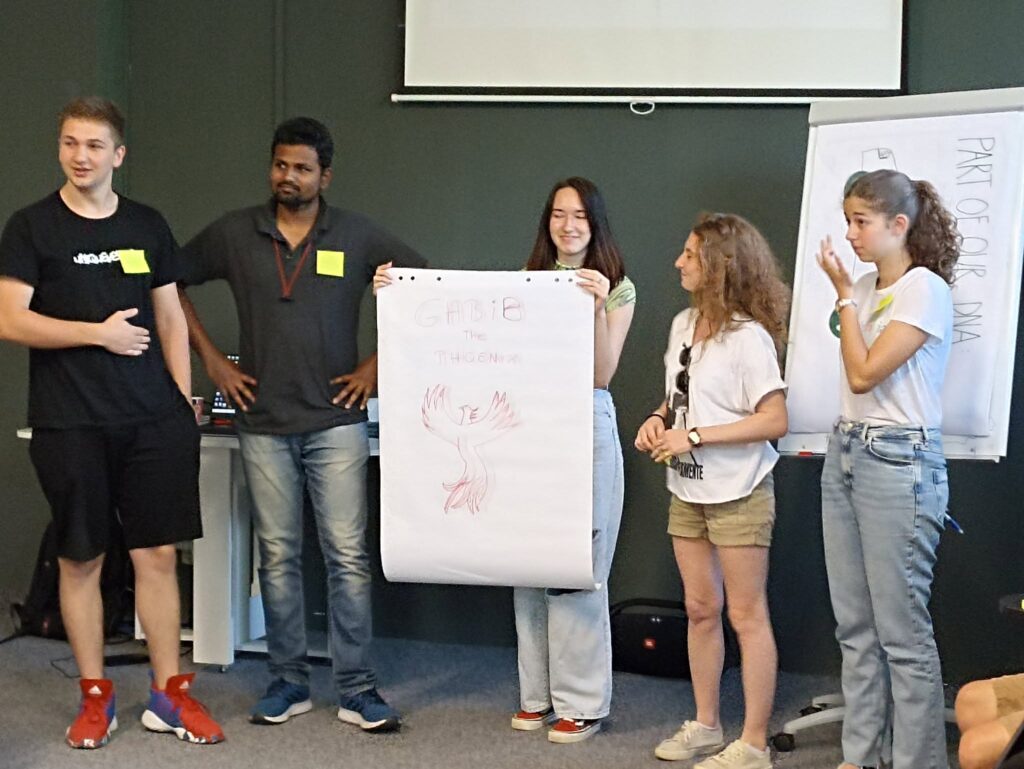
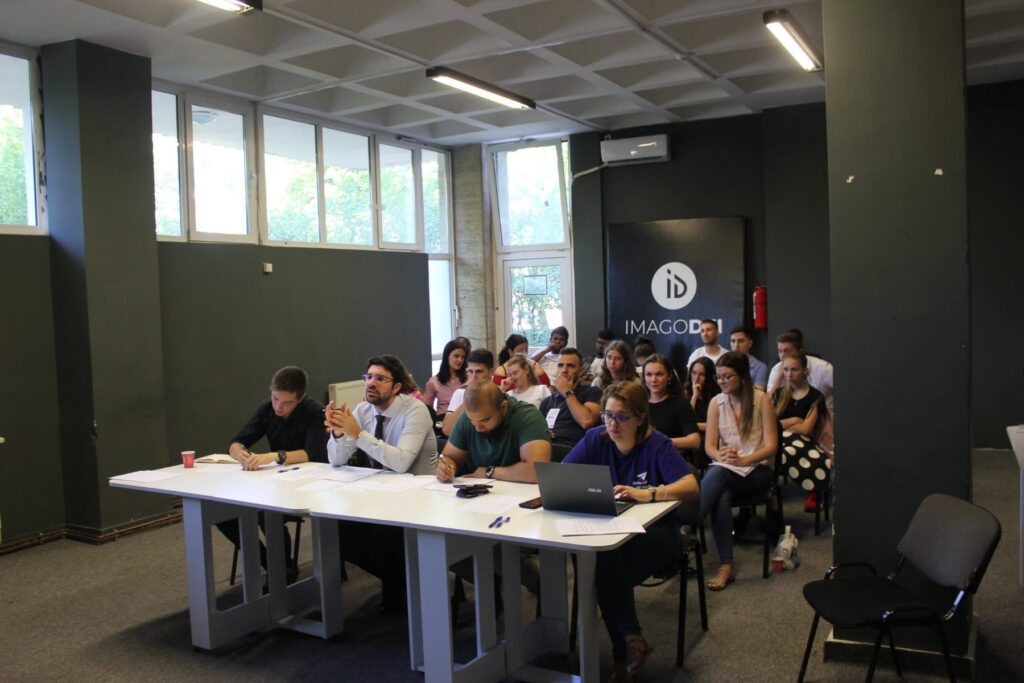
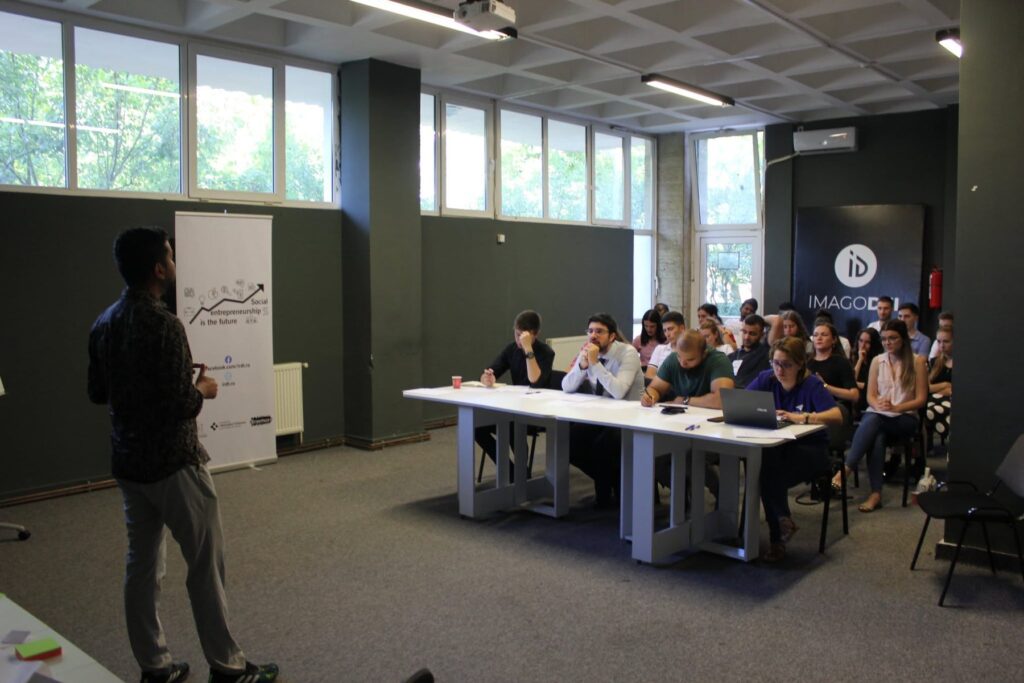
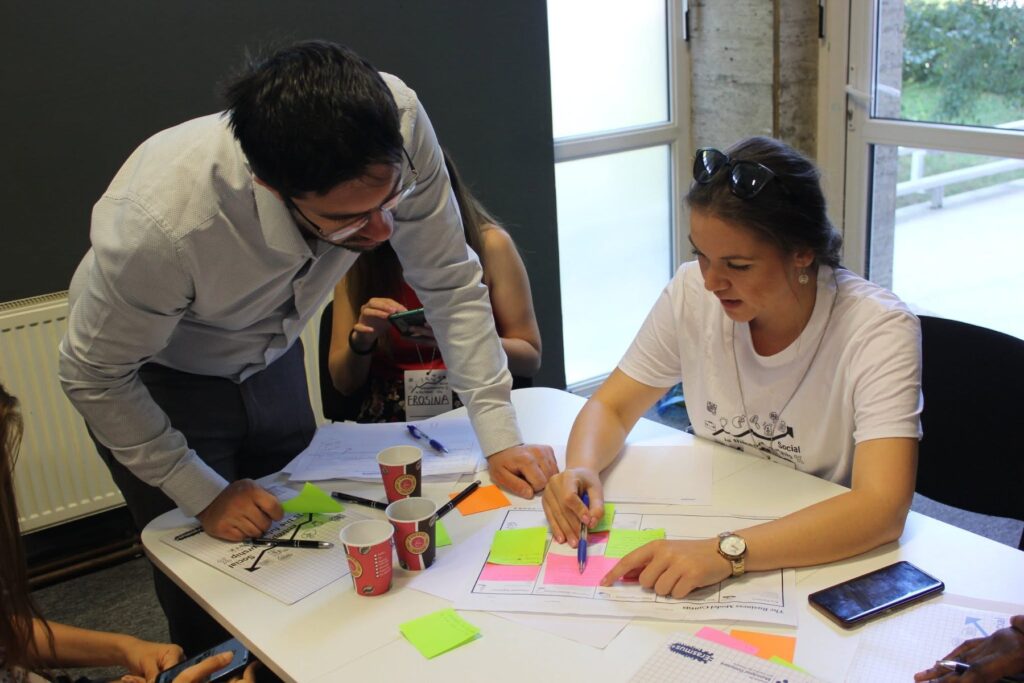
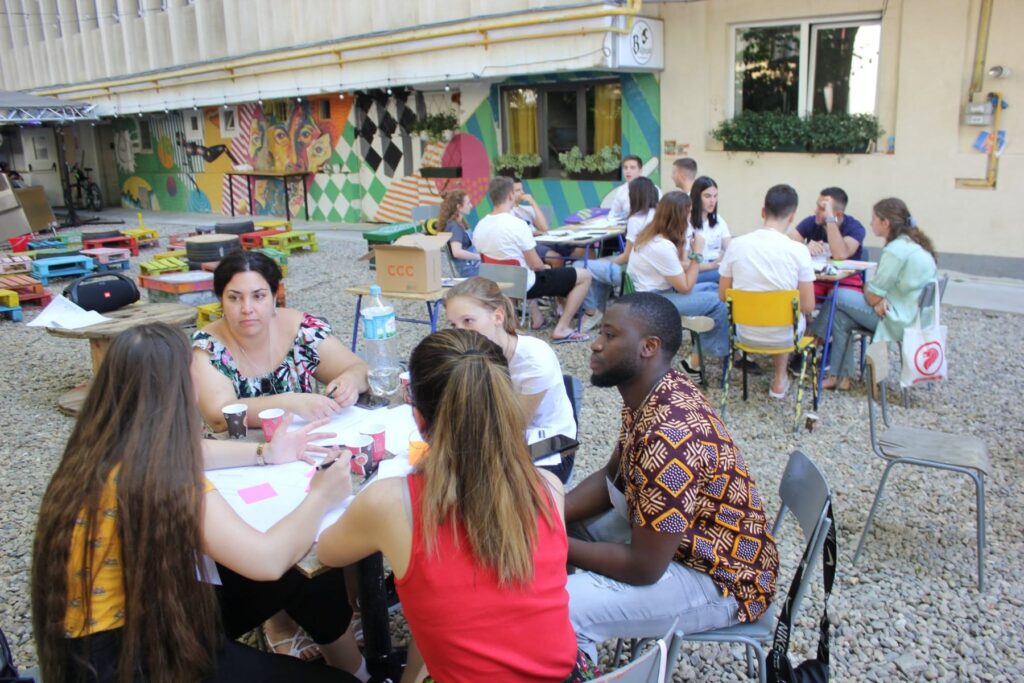
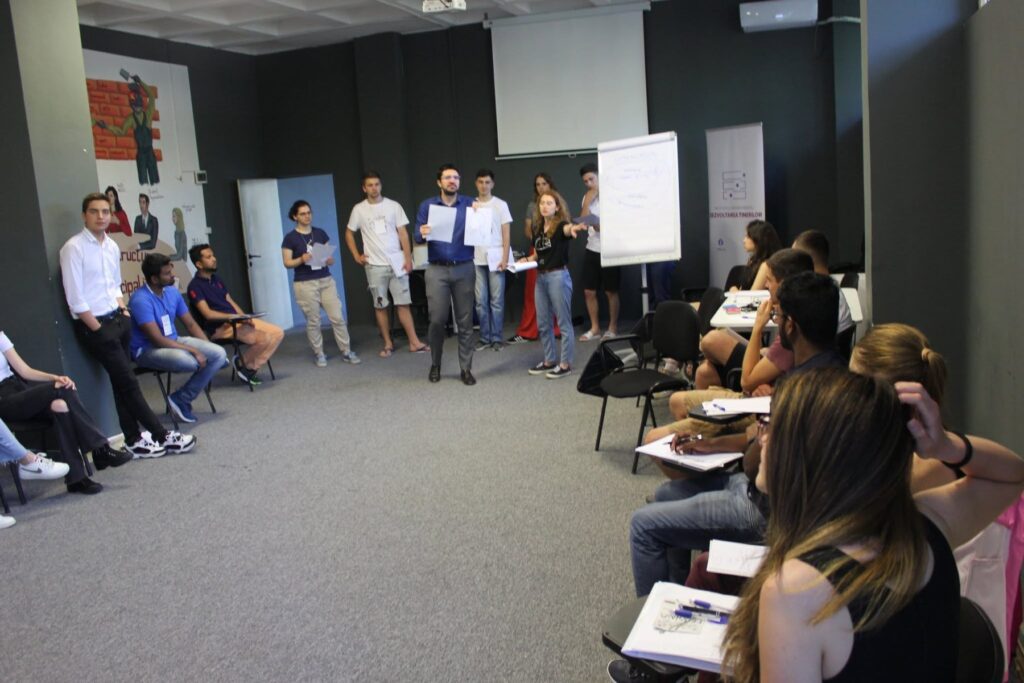
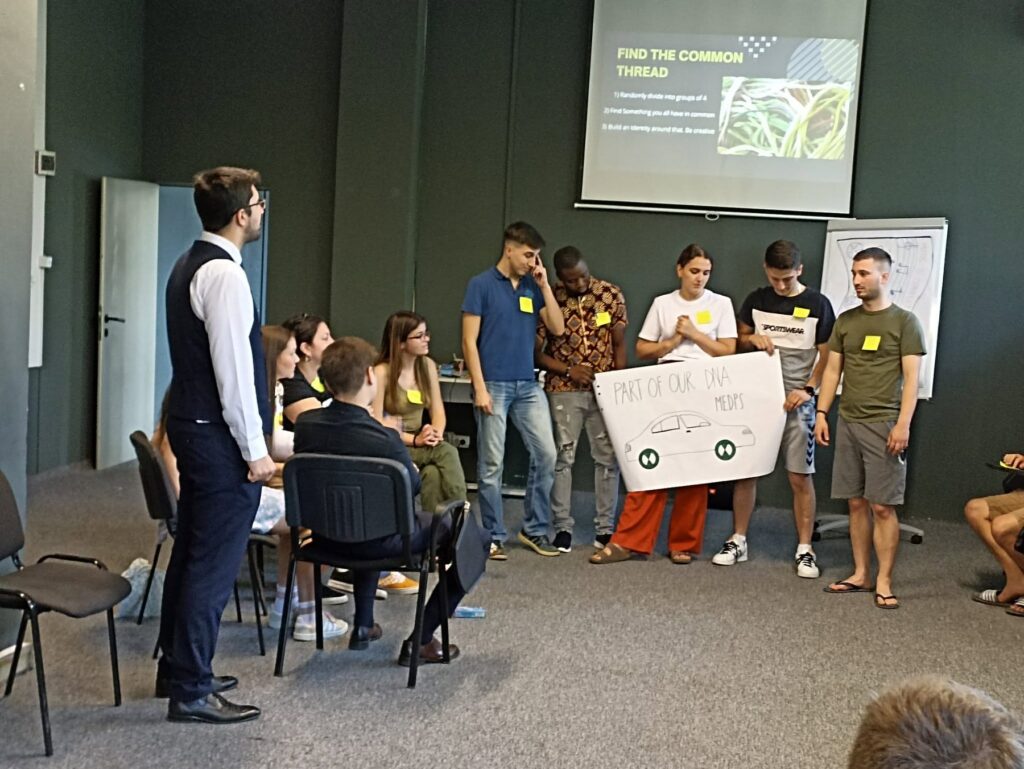
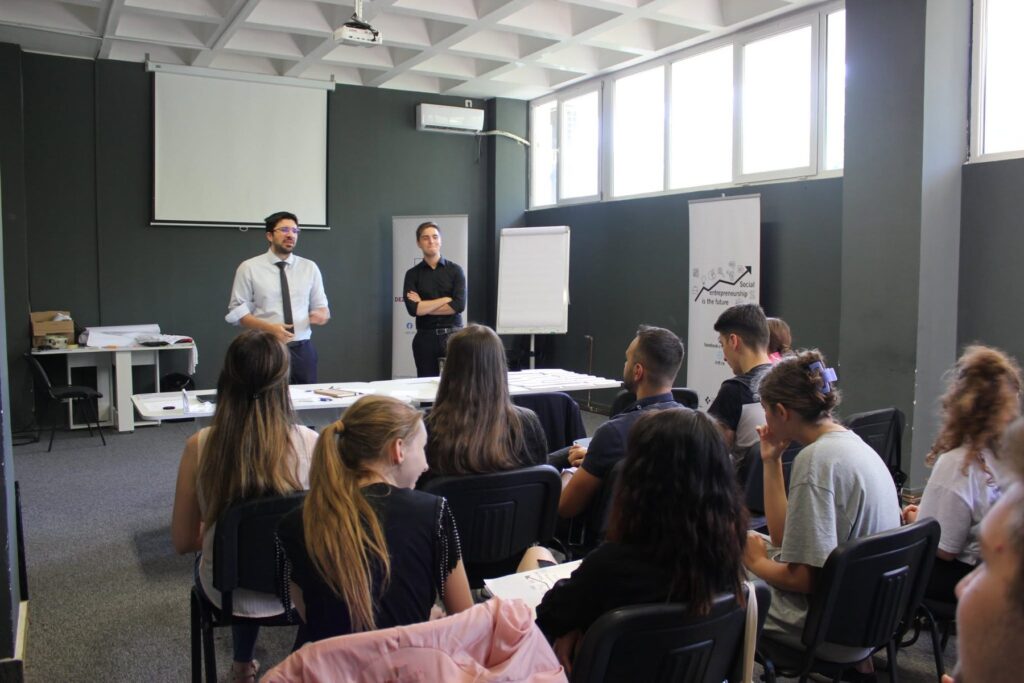
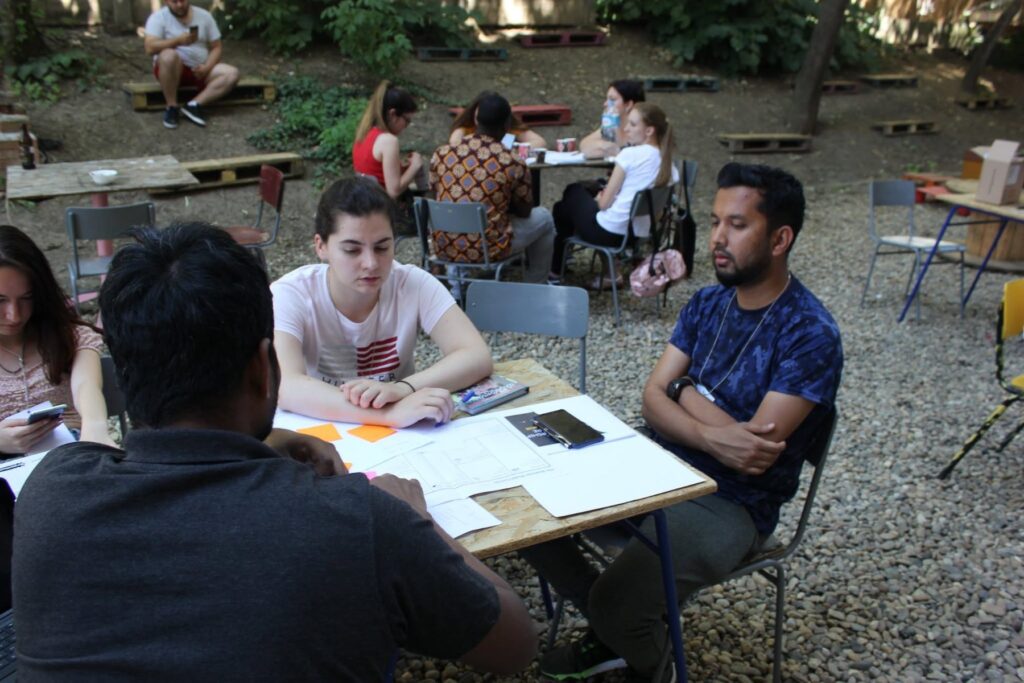
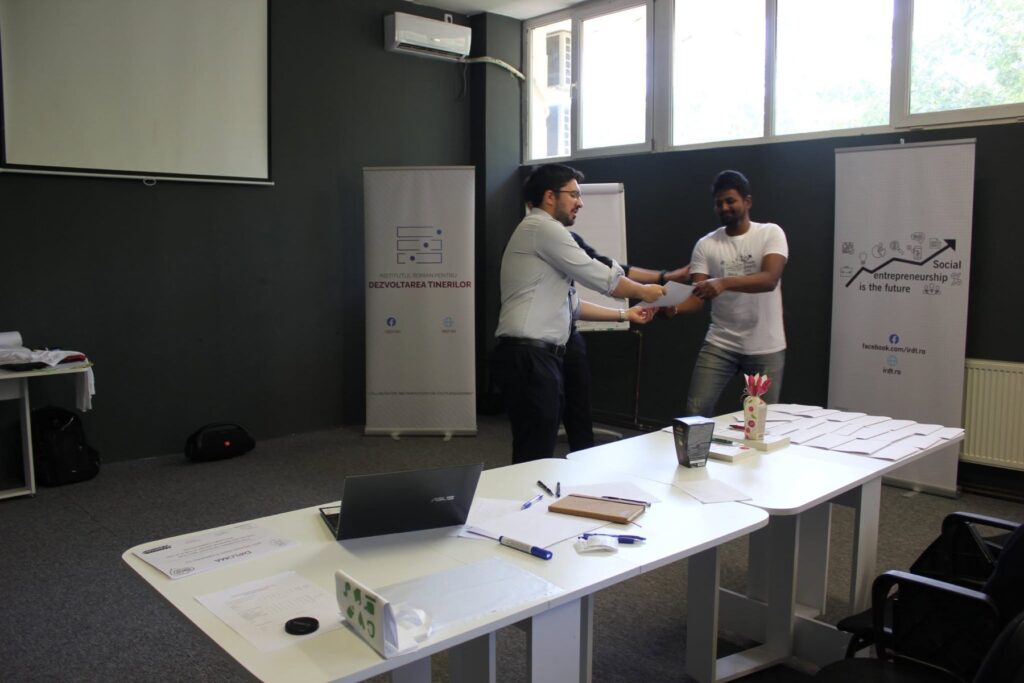
A seven-day training course, plus two travel days. Research sessions on social exclusion and youth unemployment in the participants’ communities, introduction to social entrepreneurship, alternative funding for non-governmental organisations, preparation for working with disadvantaged and NEET young people, simulations of social businesses and crisis situations, sessions on cooperation, negotiation and conflict management, exchange of good practice. The methods were interactive: teamwork, presentations, simulations, debate, research, brainstorming.
Results and impact
According to the final report, participants developed entrepreneurial and foreign-language communication skills, learned how a social business is implemented, gained knowledge of the financial management of non-governmental organisations and social enterprises, and understood methods of working with vulnerable young people. The impact extended to the partner organisations, by increasing their capacity to implement social initiatives and support disadvantaged young people.
Photo gallery
Materials and resources
The full photo album of the project is published on our Facebook page.
Similar projects
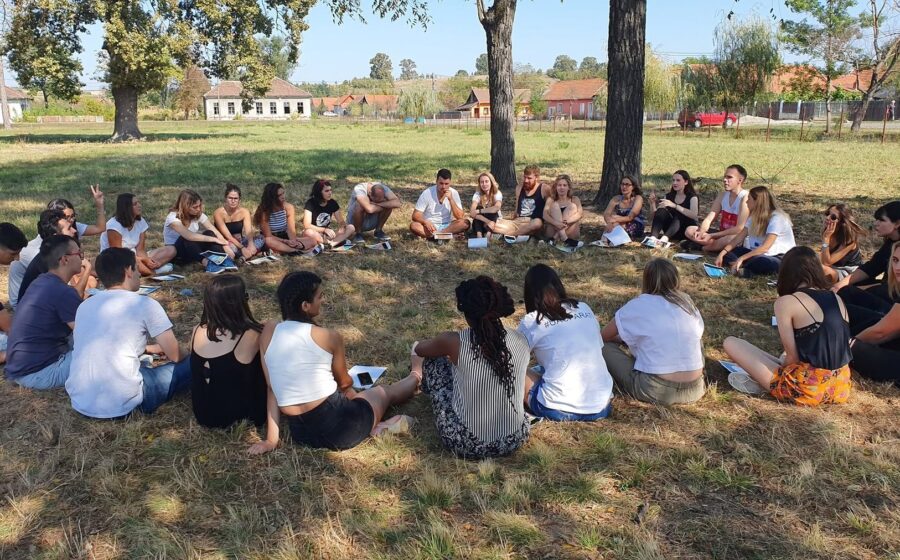
Making growth sustainable
Two consecutive youth exchanges on social and green entrepreneurship, with 84 participants from the European Union, in Bodo, Timiș County.
View project
Social entrepreneurship for sustainable growth
Youth exchange on social entrepreneurship skills, with 42 participants, in Bodo.
View project
Youth and Digital Entrepreneurship
Youth exchange on entrepreneurial skills in the digital environment, with 42 participants from the European Union.
View project